
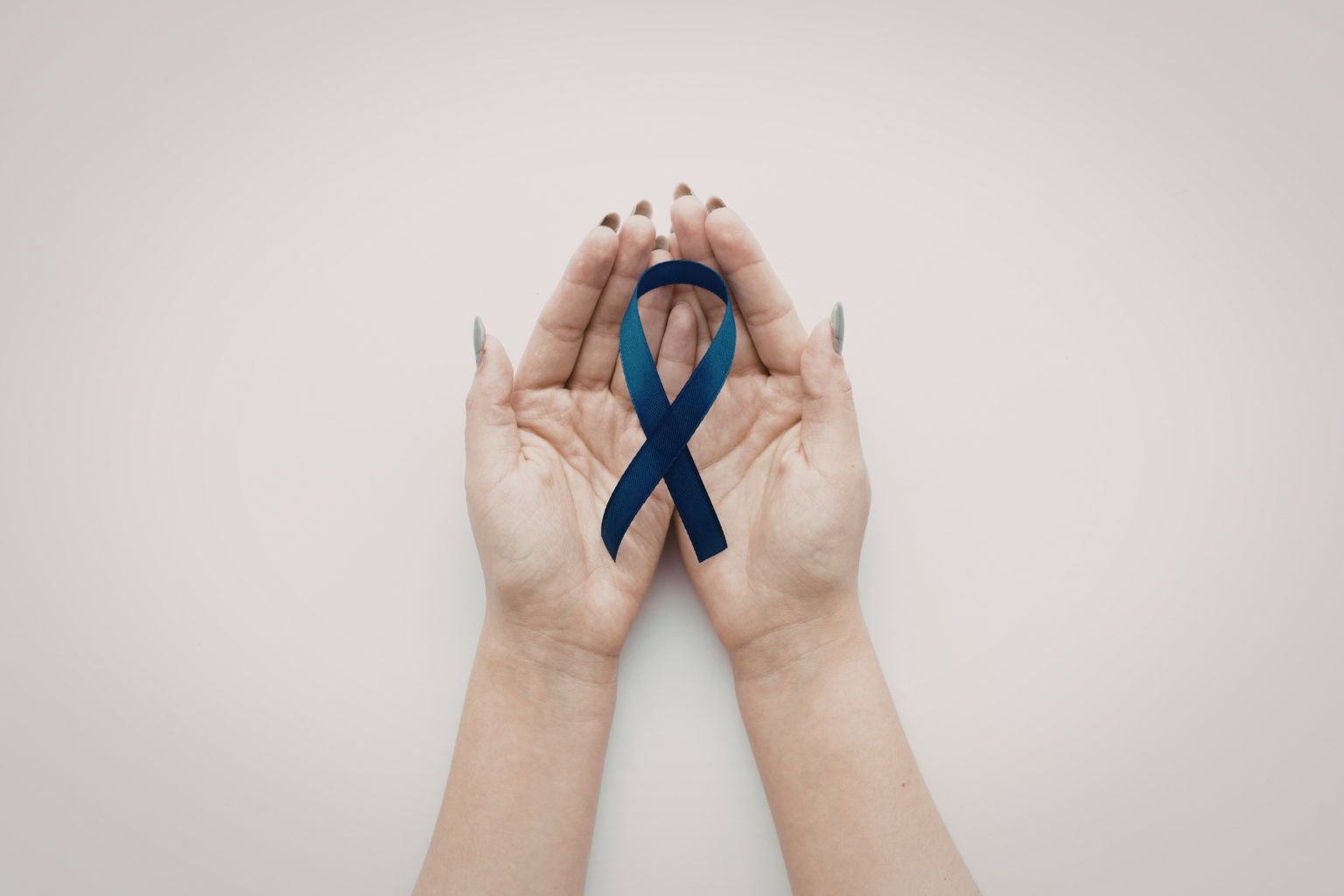
Blue Ribbon Autism Awareness: Meaning, History, and Ways You Can Show Support
The autism awareness ribbon is a powerful visual symbol that represents understanding, compassion, and collective responsibility toward individuals on the autism spectrum. Over time, ribbons have become a universal way to communicate support for important social causes, and autism awareness is no exception. The ribbon does not define autism itself, but it reflects society’s willingness to learn, accept differences, and create inclusive spaces for people with diverse neurological experiences.
Among the many symbols used to represent autism, the blue ribbon has become one of the most widely recognized. It often serves as a starting point for conversations about early diagnosis, education, accessibility, and acceptance. When people see the ribbon, they are reminded that autism is not a limitation, but a spectrum of strengths, challenges, and unique perspectives that deserve respect and support.
Alongside awareness and inclusion, many families also explore overall brain wellness approaches, including healthcare guided brain health supplements.
Types of Autism Ribbons
Autism awareness is represented through several ribbon colors, each carrying its own meaning and intent. While the blue ribbon remains the most common, other variations have emerged as the understanding of autism has evolved. Multi-coloured or puzzle-pattern ribbons are often used to highlight the complexity and diversity of the autism spectrum, emphasizing that no two autistic individuals experience the world in the same way. Gold ribbons and infinity symbols are frequently associated with neurodiversity, focusing on acceptance rather than awareness alone.
These variations exist because autism advocacy is not a single narrative. Different families, individuals, and organizations resonate with different symbols based on their values and goals. Understanding these ribbon types helps communities choose representations that align with whether they are focusing on awareness, acceptance, inclusion, or advocacy.
- Blue Ribbon: Traditional symbol of autism awareness and support
- Multicolored Puzzle Ribbon: Represents the diversity and complexity of the autism spectrum
- Red Ribbon: Often associated with autism acceptance and advocacy
- Gold Ribbon: Symbolizes neurodiversity and valuing autistic identities
- Rainbow or Infinity Symbol: Represents inclusion, diversity, and lifelong neurodiversity
Why Colors Matter for Families and Communities
Colors play a deeper role in communication than many people realize. They influence emotions, perception, and social understanding, often before words are spoken. For families affected by autism, colors can carry emotional significance tied to hope, visibility, and belonging. For communities, they act as visual signals that promote understanding and reduce stigma.
When a community consistently uses meaningful colors, it sends a message of solidarity and recognition. A well-chosen color can make autism-related initiatives feel more welcoming and approachable, encouraging conversations that might otherwise feel uncomfortable or avoided. Over time, these visual cues help normalize discussions around autism and reinforce the idea that inclusion benefits everyone.
The Blue Autism Ribbon: A Detailed Look
The blue autism ribbon is one of the most widely recognized symbols used in autism awareness campaigns, educational programs, and community initiatives around the world. It commonly appears on clothing, lapels, banners, websites, school notice boards, and social media profiles, especially during Autism Awareness Month in April. Its simple and universally recognizable design makes it easy to display and share, allowing people from diverse backgrounds, cultures, and age groups to participate in awareness efforts without any barriers. The visibility of the blue ribbon helps spark conversations, raise curiosity, and encourage learning about autism in everyday settings, both offline and online.
The significance of the blue ribbon extends beyond visibility and lies deeply in its emotional and social meaning. The color blue is often associated with calmness, trust, understanding, and stability—qualities that are especially meaningful for families and individuals navigating the challenges and uncertainties that can accompany autism. Historically, blue became prominent through early awareness campaigns, but over time its meaning has evolved to represent support for autistic individuals across all genders and identities. Today, the blue ribbon symbolizes not only awareness, but also a growing commitment to empathy, education, acceptance, and inclusive practices that respect the diverse experiences of people on the autism spectrum.
How to Use the Autism Ribbon to Raise Awareness
Using the autism ribbon effectively means going beyond symbolism and encouraging meaningful engagement. Wearing the ribbon is one of the simplest ways to show support, whether at awareness events, in workplaces, or in everyday settings. When worn visibly, the ribbon often sparks curiosity and opens the door to conversations that can educate others and challenge misconceptions.
Displaying the ribbon in shared spaces also plays a vital role in raising awareness. Schools, offices, healthcare facilities, and community centers frequently use ribbon displays to show their commitment to inclusion. In digital spaces, ribbons are equally powerful. Adding them to websites, email signatures, or social media profiles helps spread awareness beyond physical boundaries and reaches a wider audience.
Fundraising and advocacy efforts often rely on the recognizability of the autism ribbon. Ribbon-themed merchandise, campaigns, and visuals help organizations build trust and credibility while raising funds for essential services. When paired with clear messaging, the ribbon becomes a tool that connects awareness with action.
The Impact of the Autism Ribbon
The autism ribbon has played a significant role in shaping public understanding of autism. By providing a visible and consistent symbol, it has helped bring autism into mainstream conversations, encouraging early screening, improved educational support, and greater workplace inclusion. While a ribbon alone cannot create change, it often serves as the first step toward awareness that leads to policy improvements and community support.
Its impact is most evident when awareness translates into acceptance. When people move beyond recognizing the symbol and begin to understand autistic experiences, the ribbon fulfills its true purpose. It encourages empathy, challenges long-held misconceptions, and motivates individuals, organizations, and institutions to take meaningful action in creating inclusive, supportive, and accessible environments for people on the autism spectrum.
Supporting Families and Individuals with Autism
Supporting families and individuals with autism goes far beyond wearing a ribbon or sharing a symbol of awareness. True support begins with listening to autistic individuals and valuing their lived experiences, perspectives, and voices. It requires understanding and respecting differences in sensory processing, communication styles, and social interaction, rather than expecting autistic people to adapt to systems that are not designed for them. Access to inclusive education, affordable healthcare, early intervention services, and workplace accommodations plays a critical role in improving quality of life for individuals on the autism spectrum.
Families supporting autistic individuals often face emotional, financial, and social challenges that can be long-term and complex. Meaningful support includes empathy, patience, flexibility, and access to practical resources such as therapy services, community programs, and peer support networks. Small actions—like offering flexible schedules, creating sensory-friendly environments, or providing clear communication—can make a significant difference in daily life.
The autism ribbon should serve as a constant reminder that awareness must translate into action. Creating inclusive classrooms, accommodating sensory needs in public spaces, and supporting autism-led organizations help turn understanding into real change. When communities commit to consistent, informed efforts, they create environments where autistic individuals and their families feel respected, supported, and empowered.
How to Choose the Right Color for Your Event
Choosing the right color for an autism-related event requires thoughtful consideration. The purpose of the event plays a key role, as awareness-focused initiatives often benefit from widely recognized colors like blue, while acceptance or neurodiversity-focused events may align better with gold or multi-coloured symbols. The audience also matters, as children, families, educators, and corporate groups may respond differently to certain colors and visual messages.
The setting of the event, whether physical or digital, should guide color choices as well. The goal is to ensure that the color enhances understanding without overwhelming participants.
How Blue Color Works Best in Real Scenarios?
In real-world applications, blue tends to work well for schools, community programs, and general awareness campaigns due to its familiarity and calming effect. Multicolored or puzzle-themed designs are often effective in educational or fundraising settings where explaining the diversity of the spectrum is a priority. Selecting the right color ultimately depends on the message you want to communicate and the people you want to reach.
Color and Sensory Needs: Make It Comfortable
Many autistic individuals experience sensory sensitivities, making color choice especially important. Bright, harsh, or high-contrast colors can sometimes be overwhelming. Softer shades of blue and balanced designs are generally more comfortable and accessible. Thoughtful color selection ensures that awareness efforts do not unintentionally create discomfort for the very people they aim to support.
How Color Supports Communication with Peers
Colors and visual symbols are powerful tools that can help children and teens communicate and connect with their peers without always using words. Recognizing an autism-related symbol, such as a colored ribbon, can encourage understanding, empathy, and support among classmates and friends. When used thoughtfully in schools, community programs, or social settings, colors help normalize conversations about differences, reduce stigma, and promote inclusion. They create a shared language that makes it easier for everyone to relate and respond compassionately.
How to Talk About Colors with Kids and Teens
When talking to children and teenagers about autism colors, it is important to focus on kindness, respect, and inclusion. Explaining that these colors represent support and awareness rather than labels or limitations helps prevent misunderstandings. Encouraging open questions, honest conversations, and curiosity allows young people to develop empathy, understanding, and appreciation for differences. Using colors as a visual tool can make discussions about neurodiversity more engaging, relatable, and meaningful, fostering acceptance among peers.
Mistakes to Avoid and Easy Fixes
One common mistake is treating the autism ribbon as a trend rather than a meaningful symbol. This can be avoided by pairing visual awareness with education and action. Another issue is presenting a single narrative about autism, which can be corrected by amplifying diverse autistic voices. Ignoring sensory needs is also a frequent oversight, easily fixed by choosing calming and accessible designs. Most importantly, awareness should not stop at visibility; it should lead to sustained support and advocacy.
Final Thoughts
The blue ribbon for autism awareness is more than just a symbol; its true importance lies in the awareness, understanding, and actions it inspires. When used thoughtfully, the ribbon can encourage empathy, promote acceptance, and foster inclusion in schools, workplaces, and communities. Choosing appropriate colors, being mindful of sensory needs, and creating supportive environments are essential steps in making awareness meaningful. Supporting autistic individuals and their families through education, accessible services, and advocacy ensures that the ribbon represents more than just recognition—it becomes a catalyst for real change. By turning awareness into consistent, informed action, communities can build understanding, break down barriers, and create a culture of respect, inclusion, and lasting support for people on the autism spectrum.


Add comment